 >
>
Hotel Interior Design Trends Redefining Luxury Stays in 2026
Luxury hospitality is changing faster than ever, and 2026 marks a major turning point in how hotels approach interior design for hotel spaces. The old definition of luxury—heavy décor, rich colours, and high-cost materials—does not hold the same meaning today. Modern luxury is no longer about showing grandeur; it is about delivering a comfortable, thoughtful, personalised, and memorable experience.
Guests now expect hotels to feel like an extension of their own lifestyle. They want spaces that are peaceful, intuitive, environmentally responsible, and technologically smooth. As a result, designers are shifting toward interiors that combine beauty and function with emotional comfort.
Below are the major design trends shaping luxury hotel spaces in 2026.
Textures Defining Modern Luxury
Textures are now considered one of the most powerful elements for the interior design for hotels. At one time, hotels were almost entirely covered with shiny surfaces; nevertheless, the very latest trend indicates hotels opting for raw and natural materials that instantly give the space a grounded and cozy vibe.
Natural and Layered Materials
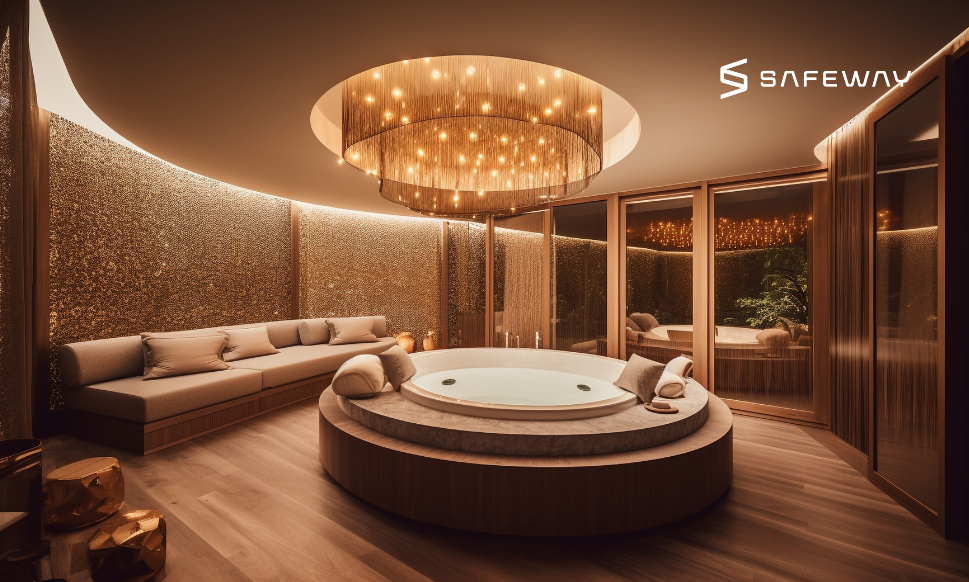
Nowadays, it has become a norm to see limestone, warm-toned wood, bamboo, rattan, linen, and clay finishes used in the designing of entrances, guestrooms, restaurants, and spa areas. Simply the fact that these elements are present is enough to bring about a calm and welcoming mood. Moreover, these materials are also lending a sense of genuineness which immediately leads to the guests being able to identify with the surrounding nature on a deeper level.
Besides, layering different materials still remains a trend in hotels of 2026. For instance, the hotels may layer stone with an upholstered sofa, wood with a cozy rug, or textured wall panels with metal accents. Such a layering technique gives the room both a sense of depth and slight luxuries without being too much for the senses.
Tactile Finishes for a Premium Feel
Luxurious in 2026 is largely a matter of tactile sensation. To the pleasure of the touch, designers are complementing the interiors with fabrics and finishing that are:
soft velvet headboards, textured wall coverings, woven chairs, ribbed wood panels, quilted bedding, handcrafted finishes, such traits not only bring in cosiness but also disclose the character of a room, that is, the space reveals the personality of the room.
Lighting Trends in Luxury Hotels
Lighting is not just a necessity but has also become a major feature of hotel design. With the lighting theme in mind, hotels are now differentiating the spaces with light that helps the guests to relax, uplift their mood, and create a more functional space.
Smart and Adaptive Lighting Systems
Hotels are moving towards smart lighting that brings a change in the lighting environment during the day. Morning lighting is bright and energizing, evening lights have warm tones which help guests to relax. These smart systems change the lighting automatically but also enable guests to change the settings as per their mood.
Introducing circadian lighting in the hotel is a good idea, which helps the body to maintain the sleep rhythm and this is very useful for guests who generally travel across various time zones.
Statement and Layered Lighting Concepts
Decorative lighting in the public areas is increasingly becoming a major feature of the space. A beautiful chandelier, pendant lights, and wall lamps can make the premises extremely attractive and create a good mood.
Layered lighting, ambient, task, and accent not only deepens the scene but also helps in seeing better objects. LED light strips can be concealed on the underside of the shelf, behind the mirror, or below the furniture providing a gentle light that contributes to the beauty of the space but doesn’t overpower it.
Layouts Shaping Next-Generation Hospitality
The layout of hotel rooms and common areas is changing to support flexibility and efficient use of space.
Open – Flow and Flexible Room Layouts
Room layouts of a traditional design with fixed divisions are being replaced by open – flow room designs. The use of sliding partitions, folding doors, and adaptable furniture can now allow the guests to customize the room only if they want to use it in a certain way.
A few hotels are even combining the bedroom and living area into one continuous, open space with only light zoning instead of walls. Bathrooms are being designed with glass partitions or frosted panels that can visually open the room while still giving privacy.
This liberty enables smaller rooms to be seen as larger and, at the same time, gives people the freedom to move naturally through the space.
Social – Focused Public Spaces
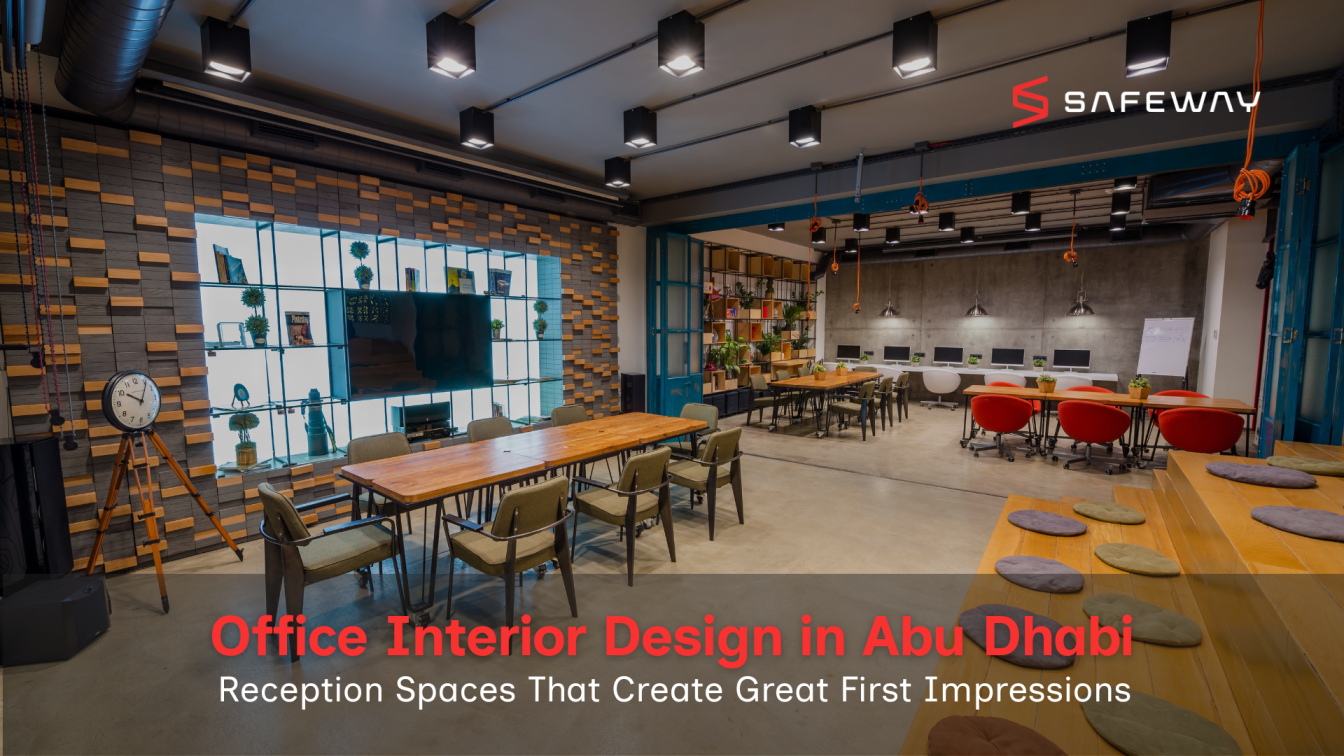
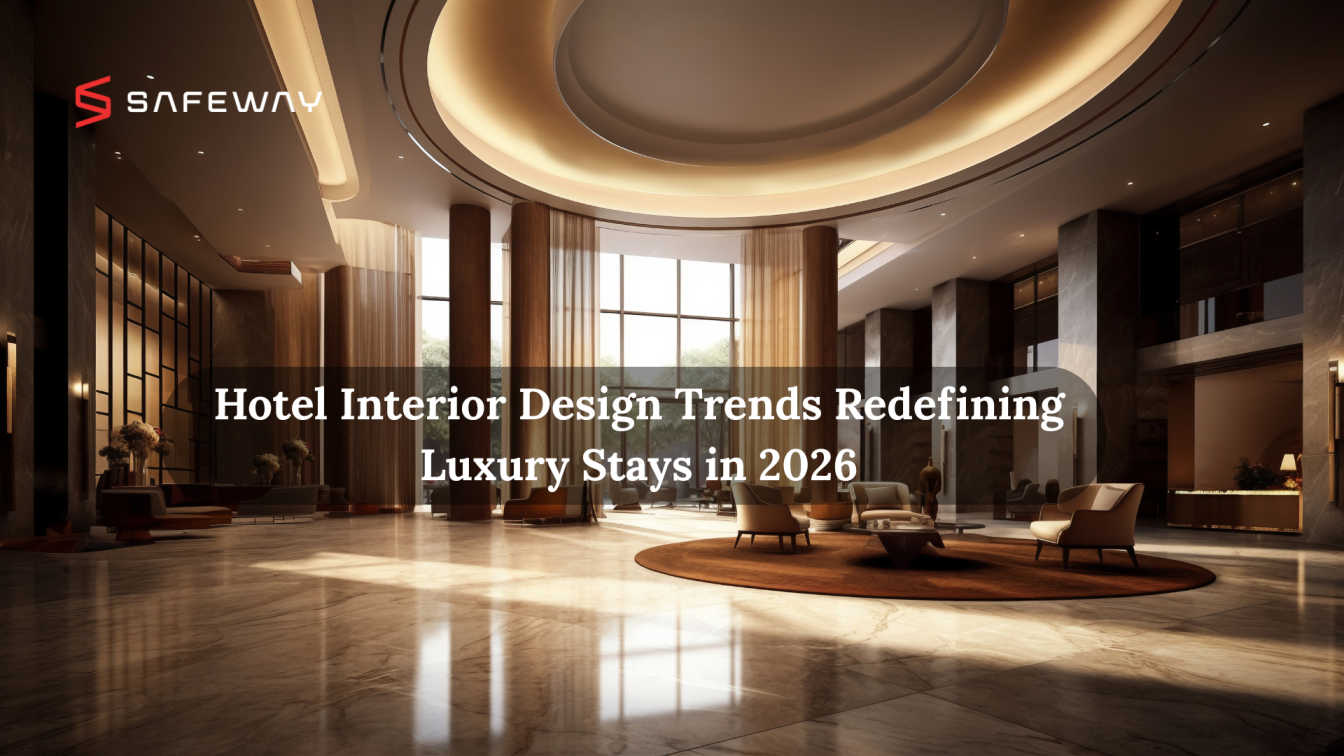
Lobbies through time have transformed from merely waiting areas to multi – functional points. Hotels nowadays are turning these spaces into interactive environments where visitors can work, relax, meet or have a drink.
Comfortable lounge chairs, coffee corners, community tables, and green, nature- filled areas, are combined properly in making the space cozy and friendly.
The change shows how modern travelers are demanding hotels that are trendy, lively, and welcoming.
Wellness & Sustainability in Hotel Design
Wellness and sustainability are at the core of luxury design in 2026. Guests appreciate hotels that value health and environmental responsibility.
Biophilic and Wellness-driven Interiors
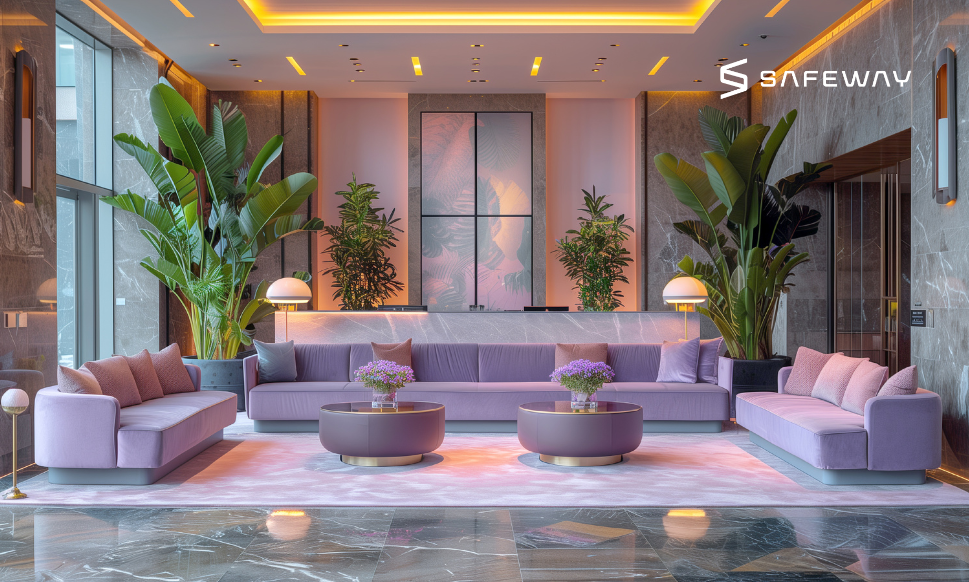
Biophilic design focuses on bringing nature indoors. This includes using natural light, indoor plants, earthy tones, textured materials, and water-inspired features. Such elements help reduce stress and promote relaxation.
Many hotels are introducing:
- spa-like bathrooms with rain showers
- aromatherapy diffusers
- air purification systems
- natural ventilation strategies
- meditation or relaxation corners
These features support well-being and create a calm environment where guests feel refreshed.
Eco-Friendly Materials and Energy Efficiency
Luxury hotels are adapting eco-conscious practices without compromising aesthetics. They are using recyclable materials, responsibly sourced wood, non-toxic paints, and sustainable fabrics. Smart thermostats, LED lighting, and water-saving fixtures help reduce energy waste.
These environmentally responsible choices not only appeal to guests but also improve long-term operational efficiency.
Technology-Integrated Luxury Spaces
Technology in 2026 is focused on convenience and invisibility. It enhances the space without disrupting the clean aesthetic.
Smart Rooms with Seamless Automation
Guests can now control room settings with a single device or voice command. Features include:
- temperature control
- automated curtains
- customized lighting themes
- mobile check-in and digital keys
- instant room service requests
This automation helps guests personalise their stay and makes daily functions effortless.
Enhancing Comfort Without Visual Clutter
Designers are quietly weaving technology into the fabric of rooms such as tables have wireless charging surfaces embedded in them, ceiling and wall speakers concealed, televisions either become part of mirror panels or hide in furniture, all, these method keeps the environment stylish, simple, and uncluttered while giving the residents more sophisticated home convenience and easy access to their needs.
Impact on Guest Experience
All these design changes are made with the main focus of enhancing the guests emotional and physical experience.
Improved Comfort and Engagement
In a space where there are natural textures, calming lighting, flexible layouts, and thoughtful amenities, the guests can feel more relaxed. Smart features help to lower the physical effort while the nature inspired elements help to reduce stress. This leads to a stay that is both comforting and personalised.
Design as a Driver of Brand Value
Outstandingly designed hotels make powerful impacts on guests. The visitors recall the ambience, comfort, and considerate details even later after their stay. This prompts them to come back and thus increases their loyalty towards the brand. The new generation of travelers value hotels that offer style and functionality, the same ones which bring positive reviews and enable a stronger brand identity.
Conclusion
Interior design for hotel in 2026 is defined by convenience, transparency and meaningful experiences. Natural textures, intelligent lighting, open layouts, wellness-driven elements, sustainable materials, and smart but subtle technology are shaping the new meaning of luxury.
Hotels that embrace these updated design approaches offer guests more than just a place to stay, they offer a space to relax, recharge, work, and enjoy. The future of luxury hospitality lies in creating interiors that look beautiful, feel natural, and function effortlessly.